AI-Powered DevOps: Pros & Cons
AI-Powered DevOps: Pros & Cons for MLOps on AWS
The evolution of DevOps is entering a new era — AI-powered DevOps. With the rise of MLOps and cloud platforms like AWS, teams are no longer just automating deployments, but also intelligently optimizing pipelines, predicting failures, and accelerating innovation.
As someone working in AWS DevOps and ML deployments, I’ve seen both the advantages and the real challenges of adopting AI in DevOps workflows.
Let’s break it down 👇
🔷 What is AI-Powered DevOps?
AI-powered DevOps integrates Machine Learning (ML) and Artificial Intelligence (AI) into traditional DevOps practices to:
- Automate decision-making
- Predict failures before they occur
- Optimize CI/CD pipelines
- Improve system reliability and performance
In MLOps, this becomes even more powerful because you're managing data pipelines + model pipelines + infrastructure together.
✅ Pros of AI-Powered DevOps (MLOps on AWS)
1. ⚡ Faster Deployment & Automation
AI helps automate repetitive tasks like:
- Build optimizations
- Test case generation
- Deployment decisions
👉 Tools like AWS CodePipeline + SageMaker Pipelines reduce manual intervention drastically.
2. 🔍 Predictive Monitoring & Issue Detection
AI models can analyze logs and metrics to:
- Detect anomalies early
- Predict system failures
- Reduce downtime
👉 Using CloudWatch + AI-based anomaly detection = proactive monitoring instead of reactive firefighting.
3. 📊 Intelligent Resource Optimization
AI can dynamically optimize:
- EC2 usage
- Kubernetes (EKS) scaling
- Storage & compute costs
👉 This directly helps in cost savings, which is critical in cloud environments.
4. 🤖 Smarter CI/CD Pipelines
AI improves pipelines by:
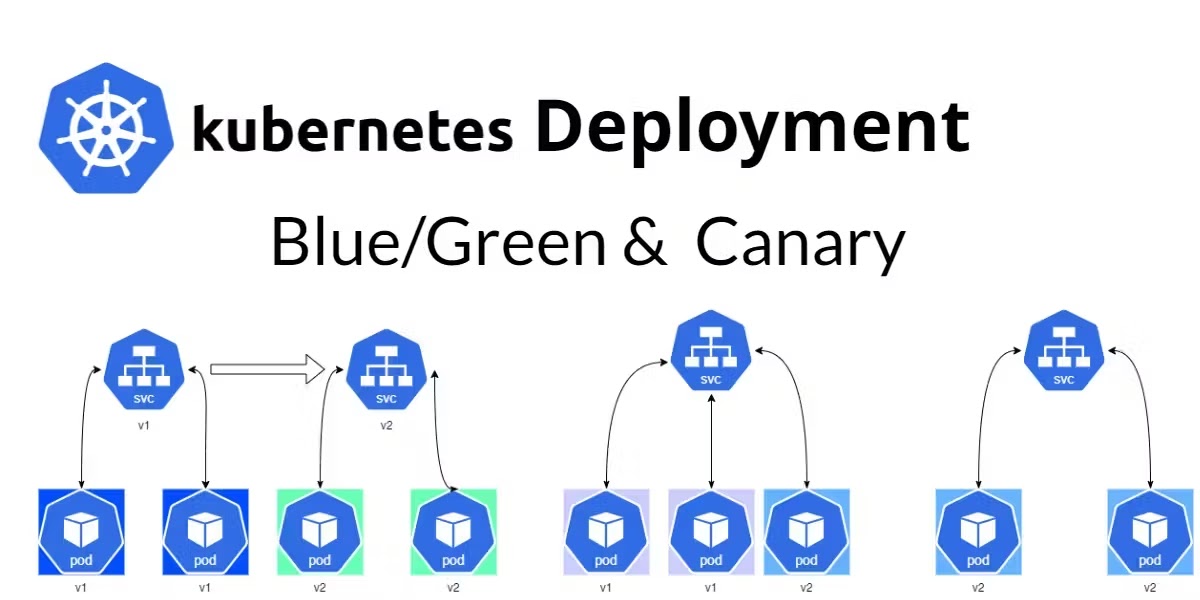
- Suggesting optimal deployment strategies (canary, blue-green)
- Reducing build failures
- Auto-tuning performance
👉 Especially useful when deploying ML models frequently.
5. 🧠 Better MLOps Lifecycle Management
AI enhances:
- Model versioning
- Data drift detection
- Continuous training pipelines
👉 AWS SageMaker + AI-driven insights make ML lifecycle smoother.
❌ Cons of AI-Powered DevOps
1. 🧩 Increased Complexity
Adding AI to DevOps introduces:
- More tools
- More dependencies
- More learning curve
👉 Not every team is ready for this shift.
2. 💸 Higher Initial Cost
- AI tools + infrastructure = expensive setup
- Training ML models requires compute power
👉 ROI comes later, not immediately.
3. 🔐 Security & Compliance Risks
- AI systems may expose sensitive logs/data
- Harder to audit decisions made by AI
👉 Critical in banking or intranet environments (like internal ML systems).
4. 🧪 Model Reliability Issues
- AI predictions are not always correct
- False positives/negatives can impact deployments
👉 Example: Wrong anomaly detection → unnecessary rollback.
5. 👨💻 Skill Gap in Teams
Teams need knowledge of:
- DevOps
- Cloud (AWS)
- Machine Learning
👉 Finding or training such talent is challenging.
⚖️ Final Verdict
AI-powered DevOps is not a replacement — it’s an enhancement.
✔ Best suited for:
- Large-scale systems
- High-frequency deployments
- ML-driven applications
❗ Not ideal for:
- Small teams with simple pipelines
- Projects with tight budgets
💡 My Take
From my experience working on ML deployments on AWS (intranet + enterprise environments):
👉 AI in DevOps is powerful when used strategically, not blindly.
Start small:
- Add AI-based monitoring
- Optimize one pipeline
- Gradually expand
🔚 Conclusion
AI-powered DevOps + MLOps on AWS is the future — but success depends on how well you balance automation with control.
📌 If you're working in DevOps, this is the right time to start learning MLOps and AI integration.
#DevOps #MLOps #AWS #AI #CloudComputing #SRE #MachineLearning #TechBlog


Comments
Post a Comment